Autism, ADHD, or Both? Understanding Overlapping Traits in Children
Autism and ADHD often look alike and frequently occur together. Learn how their traits overlap, how they differ, and what to do if you're unsure about your child.
Published July 9, 2026
In this article
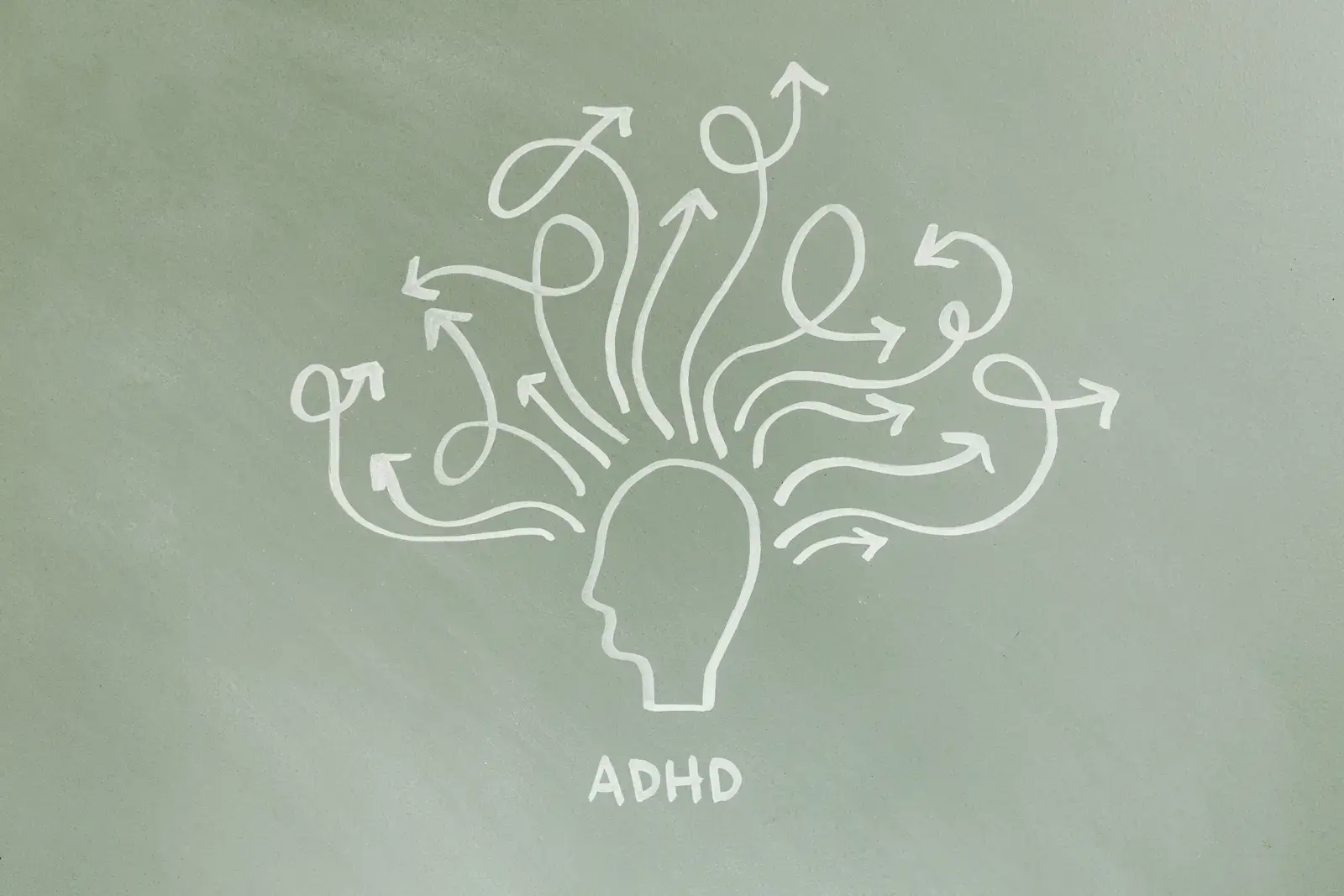
Many parents come to us with the same quiet worry: "I think it might be ADHD... but some of this looks like autism too. Or maybe both?" If that's you, you're asking a genuinely good question — because autism and ADHD overlap a great deal, and they very often co-occur. Here's a clear, jargon-free look at how they relate.
Why they're so easy to confuse
Autism and ADHD are both neurodevelopmental differences — differences in how the brain is wired — and they share several visible traits:
- Difficulty with focus and attention
- Challenges with emotional regulation and big reactions
- Trouble with transitions and changes to routine
- Sensory sensitivities
- Social situations that feel effortful or confusing
Because the outward behaviour can look similar, two children with different profiles can appear almost identical from across a room.
Where they tend to differ
The differences often show up in the why behind the behaviour:
| Trait | More typical of ADHD | More typical of autism |
|---|---|---|
| Attention | Shifts rapidly, seeks novelty | Deep, sustained focus on interests |
| Routine | Struggles to stick to routine | Strongly prefers predictable routine |
| Social | Impulsive, interrupts, misses cues in the moment | Finds social rules and unwritten cues genuinely puzzling |
| Sensory | Seeks stimulation | Often sensitive to / overwhelmed by input |
These are tendencies, not rules — and plenty of children sit somewhere in between.
When it's both
Autism and ADHD frequently occur together in the same child. When they do, the traits can interact in complex ways — a child might crave novelty and need routine, or seek sensory input in some areas while being overwhelmed by it in others. This can feel contradictory to parents, but it makes complete sense once you understand both profiles are in play.
Why a label is less important than understanding
Here's the reframe that helps most families: the goal isn't to slot your child into a box — it's to understand how their specific brain works so you can support them well. A thoughtful assessment can be genuinely useful (for school support, for self-understanding, for accessing services), but the day-to-day work is the same either way: learn your child's triggers, strengths, and needs, and build a life that fits them.
What you can do right now
Whatever the eventual picture, these help across the board:
- Reduce unnecessary demands and build in predictable routines.
- Support emotional regulation with calm co-regulation and body-based tools.
- Create a low-stimulation retreat for overwhelm — a calm-down corner is a great start.
- Focus on connection, which underpins every other strategy.
Our parent toolkits are designed to work regardless of a formal label — they meet the underlying needs both profiles share.
Getting clarity
If you're unsure where your child fits, you don't have to untangle it alone. A specialist can help you understand your child's profile and point you toward the right next steps — whether that's strategies, an assessment pathway, or simply reassurance. You can book a free 20-minute consultation to talk it through with someone who understands both.
This article is for general educational purposes and isn’t a substitute for individualized professional advice, diagnosis or treatment. Every child is different — if you have concerns about your child’s development or wellbeing, please speak with a qualified specialist.
Feeling stuck? You don’t have to figure it out alone.
Book a free 20-minute consultation with a specialist who understands neurodivergent children — or start today with a practical, ready-to-use toolkit.