Sensory Overload in Children: Signs, Triggers, and How to Help
Sensory overload can drive meltdowns, shutdowns, and 'out of nowhere' distress. Learn the signs, common triggers, and gentle ways to help your child cope.
Published July 5, 2026
In this article
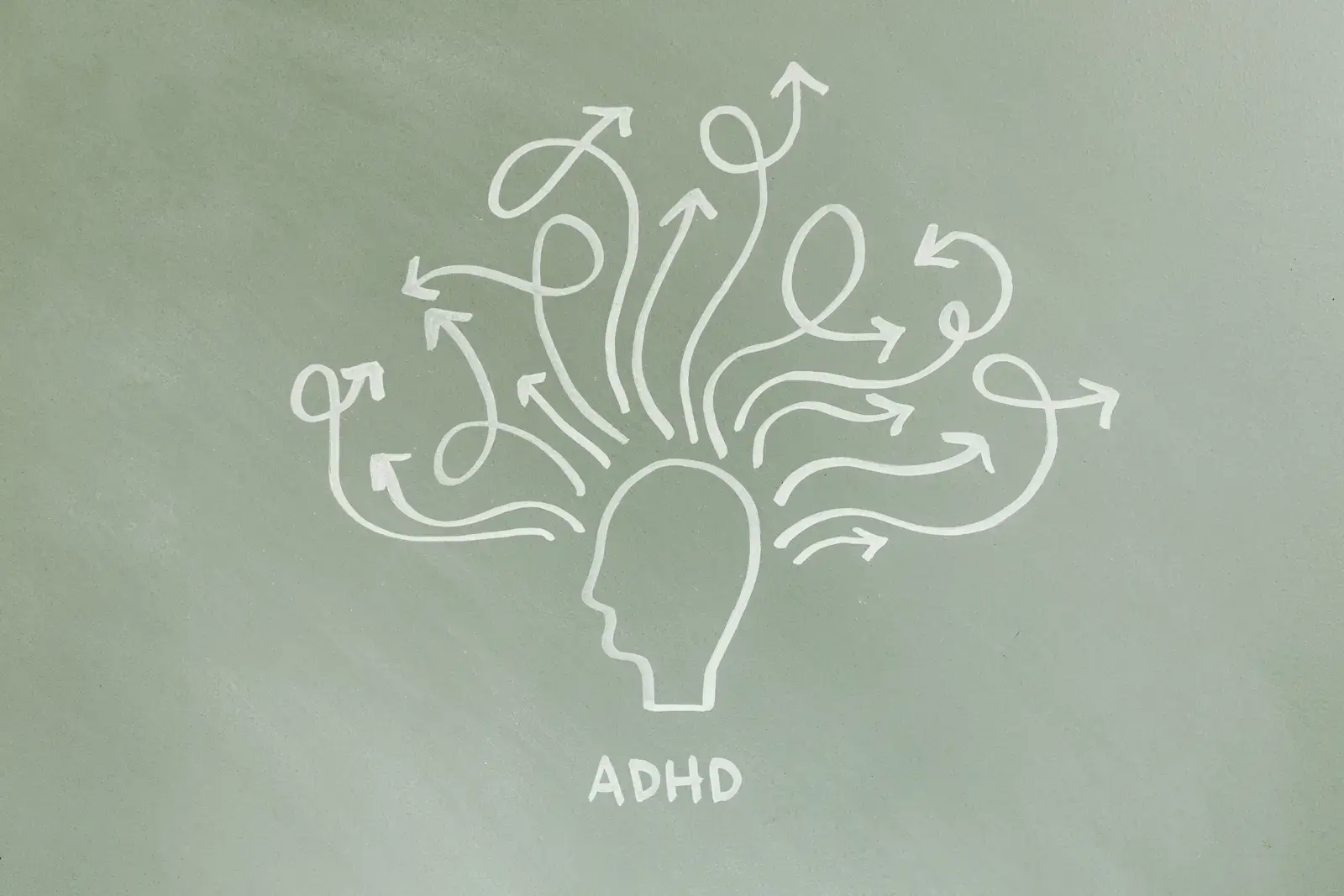
Sometimes a child seems to fall apart "out of nowhere" — but very often, that nowhere is sensory overload. For many ADHD and autistic children, the everyday world delivers more sensory information than their nervous system can comfortably process, and eventually it spills over. Learning to spot and ease overload is one of the most practical things a parent can do.
What sensory overload actually is
We take in the world through more than the five senses we learned in school — including our sense of movement, balance, and internal body signals. When too much input arrives at once, or input arrives that a child is especially sensitive to, the nervous system can become overwhelmed. The result is a "fight, flight, or freeze" response: meltdown, escape, or shutdown.
Common signs to watch for
Overload looks different in different children, but common signs include:
- Covering ears or eyes, or squinting against light
- Becoming irritable, tearful, or "silly" and hyperactive
- Withdrawing, going quiet, or "zoning out" (a shutdown)
- Complaints about clothes, sounds, smells, or textures
- Sudden distress that seems disproportionate to the trigger
Learning your child's personal signals is the key skill — the earlier you catch overload, the gentler the response can be.
Common triggers
- Sound — busy classrooms, hand dryers, crowds, background noise
- Light — fluorescent lighting, screens, bright or flickering light
- Touch — clothing tags, seams, certain textures, unexpected contact
- Smell and taste — strong scents, food textures
- Busy environments — supermarkets, parties, soft-play, the school run
How to help in the moment
When you spot overload building, your goal is to reduce the input and restore a sense of safety:
- Move to a quieter, calmer space if you can.
- Reduce noise, dim lights, and lower your voice.
- Offer calming sensory tools — headphones, a weighted lap pad, a fidget, or deep-pressure input like a firm hug (if welcomed).
- Drop demands and give your child time to settle.
Having these tools ready in one place makes a real difference. Our Calm Corner Kit brings together calming cards, feelings tools, and visual guides designed to help children regulate when input gets too much.
How to reduce overload over time
- Plan around known triggers. Shop at quiet times, bring headphones to loud places, and build in recovery after busy days.
- Give advance warning of sensory-heavy events so your child can prepare.
- Protect downtime. Quiet, low-stimulation time isn't a luxury for sensory kids — it's how they refill the tank.
- Create a retreat — a calm-down corner gives your child somewhere to reset before overload tips into meltdown.
When to seek support
If sensory overload is regularly disrupting your child's day, school, or wellbeing, a specialist can help you identify their specific sensitivities and build a sensory-smart plan for home and beyond. You can book a free consultation to talk through what your child is experiencing — and how to make daily life feel more manageable for everyone.
This article is for general educational purposes and isn’t a substitute for individualized professional advice, diagnosis or treatment. Every child is different — if you have concerns about your child’s development or wellbeing, please speak with a qualified specialist.
Feeling stuck? You don’t have to figure it out alone.
Book a free 20-minute consultation with a specialist who understands neurodivergent children — or start today with a practical, ready-to-use toolkit.